
Beyond the Shadow Market: How Localized Stablecoins Are Quietly Rewriting the iGaming Playbook in Emerging Markets
If you want to see where the real Evolution in iGaming is being forged in real-time, you have to look at emerging markets that were forced to engineer their way around broken infrastructure decades ago.
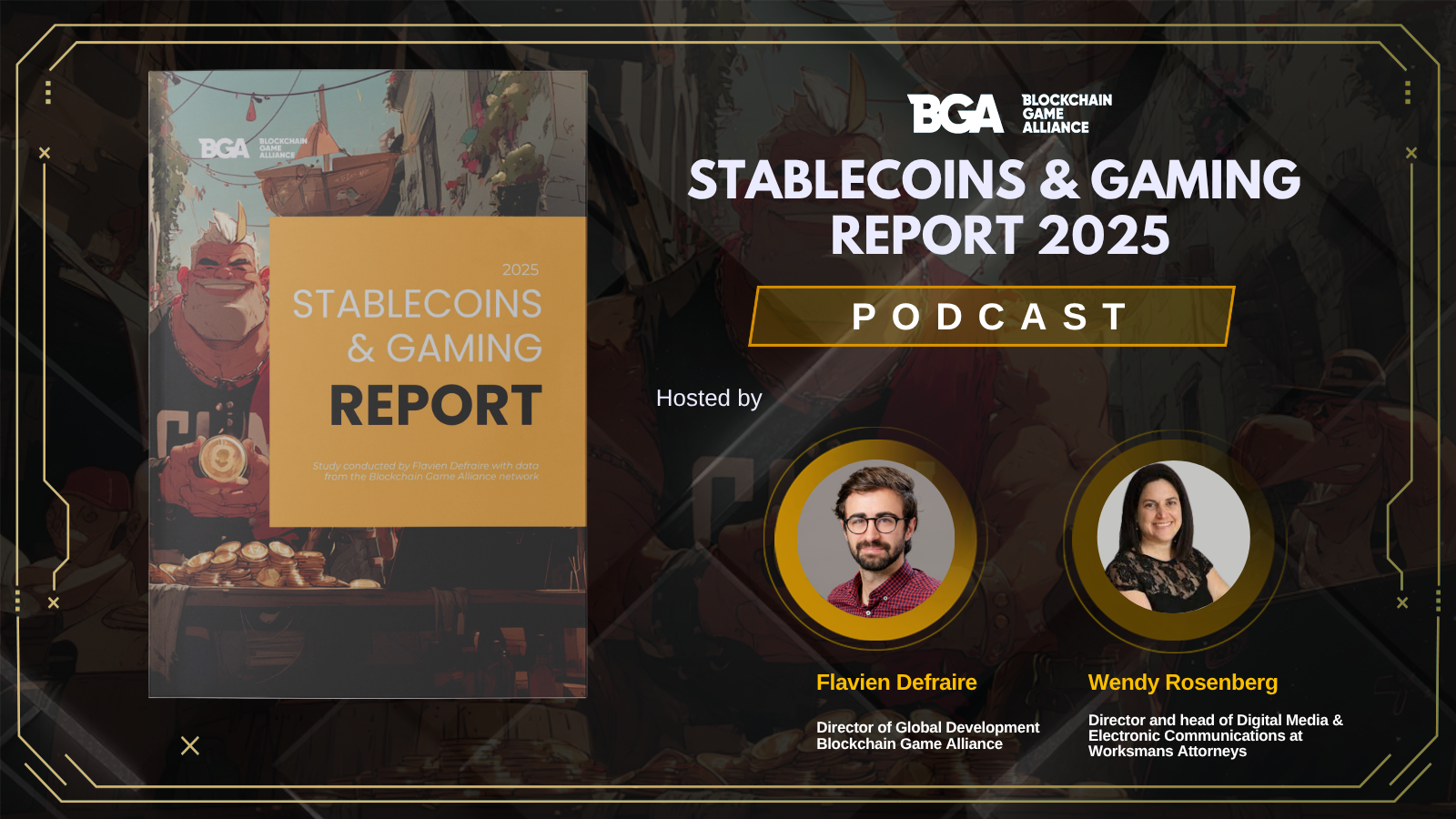
Africa skipped traditional retail banking rails over a decade ago with mobile money and alternative payment wells. Sitting down with Wendy Rosenberg, Director and head of Digital Media & Electronic Communications at Worksmans Attorneys in South Africa and a regulatory expert navigating the complex realities on the ground, it becomes crystal clear that history is repeating itself. Only this time, localized stablecoins and programmable payment layers are taking center stage.
The convergence of casual gaming, real-world asset values, and gamified betting isn’t a theoretical whitepaper exercise. It is happening right now. According to the 2026 Stablecoin Utility Report by BVNK and YouGov, nearly 80% of crypto users in South Africa currently hold stablecoins, and over 75% plan to increase their holdings in the coming year. But founders face a complex minefield of legal frameworks built for a paper-based, brick-and-mortar world.
Replacing Legacy Banking Toll Roads with Localized Wells
Traditional banking rails across emerging markets operate less like public infrastructure and more like heavy toll roads. Between settlement delays, sky-high foreign exchange fees, and administrative red tape, traditional financial rails bleed an operator’s bottom line dry before the player even finishes their transaction.
Over the last five to six years, South Africa’s online betting landscape underwent a quiet seismic shift, accelerated by the pandemic and broader access to affordable broadband. Because of a large unbanked sector, alternative solutions(like physical gambling vouchers bought at vending machines) have long been mainstream. Today, that legacy of alternative payment rails is naturally evolving toward localized stablecoins.
This is why we see a global online sports betting and gaming holding company like Super Group to launch their rand pegged token. So when we zoom in and see a large-scale igaming operators launching or exploring their own localized, rand-pegged digital payment rails, it’s fundamentally an attempt to eliminate traditional banking friction.
As Rosenberg points out, these legitimate stablecoins backed by reputable institutions with asset reserves in tier-one banks and regular audits offer a legitimate payment layer beyond speculative trading. They eliminate volatility while removing transactional friction and speeding up processing times. Building localized, pegged assets isn’t about hype; it’s about engineering friction-free payment wells that establish genuine Founders’ Trust with a modern player base.
Navigating the Legislative Patchwork: Fixed-Odds & Provincial Strategy
Operating in South Africa means navigating nine distinct provincial gambling regulatory authorities alongside a National Gambling Board. Most governing legislation dates back to the late 1990s and early 2000s, enacted long before online engagement loops existed.
To understand how dangerous this gap can be, Rosenberg points to a landmark Supreme Court of Appeal decision involving an operator streaming live roulette. The court held that under Gauteng province’s specific legislation, permissible betting contingencies are strictly limited to sporting events, making online roulette impermissible under that specific provincial license.
You cannot force a square-peg digital mechanic into a round legislative hole. Rosenberg outlines two vital rules for operators seeking to launch lawfully online: first, the betting must be structured strictly as fixed-odds bets. Second, the contingencies offered must fit within the specific scope permitted by the province in which you are licensed. Founders are well-advised to seek licenses through progressive provincial authorities whose laws accommodate a broader range of contingencies.
The Capital Control Balancing Act
Adding to this complexity, South Africa maintains strict exchange control regulations dating back to 1961 to manage capital outflows. While courts have clashed over whether digital assets fall under these vintage rules, National Treasury has proposed amendments to explicitly integrate crypto assets into the exchange control framework.
If these amendments pass, sending crypto out of the country above a prescribed threshold (set by the Minister of Finance) will require prior authorization through authorized dealers like local crypto exchanges.
The operational boundary here is critical: if players engage with a local stablecoin strictly within the South African ecosystem, those capital flow rules don’t trigger. The moment funds cross international borders or hit large global payouts, capital control friction returns.
Reframing Blockchain: From “Shadow Market” to Compliance Engine
Skeptical regulators often view crypto through an outdated lens, as an anonymous “shadow market” that facilitates illegal gambling. But progressive regulators, like the Western Cape Gambling and Racing Board, are calling for active collaboration between tech companies, operators, and regulatory bodies.
The truth is (something we highlighted in our report “The iGaming Upgrade – How Blockchain is Rewiring the Industry) blockchain infrastructure isn’t a tool to evade oversight; it’s a compliance engine. From automated KYC mechanisms to regulatory bodies utilizing domain-blocking tools against unlicensed sites, technology is increasingly serving as the ultimate compliance layer.
The Bottom Line
The Gaming Evolution isn’t about plastered buzzwords or decentralized promises. It’s about fixing operational bleeds, respecting The Cultural Layer of localized payment habits, and building infrastructure that scales cleanly across complex legal jurisdictions.
Let’s keep building. 🍻

Tags
Recent Posts

Senior Accountant – Polygon