We’ve spent decades treating non-playable characters as digital set dressing. We write their dialogue, hardcode their patrol paths, and farm them for loot. But the architectural blueprint of gaming is undergoing a massive rewrite. We are officially moving past instruction-based code and entering the era of intent-based, agentic AI.
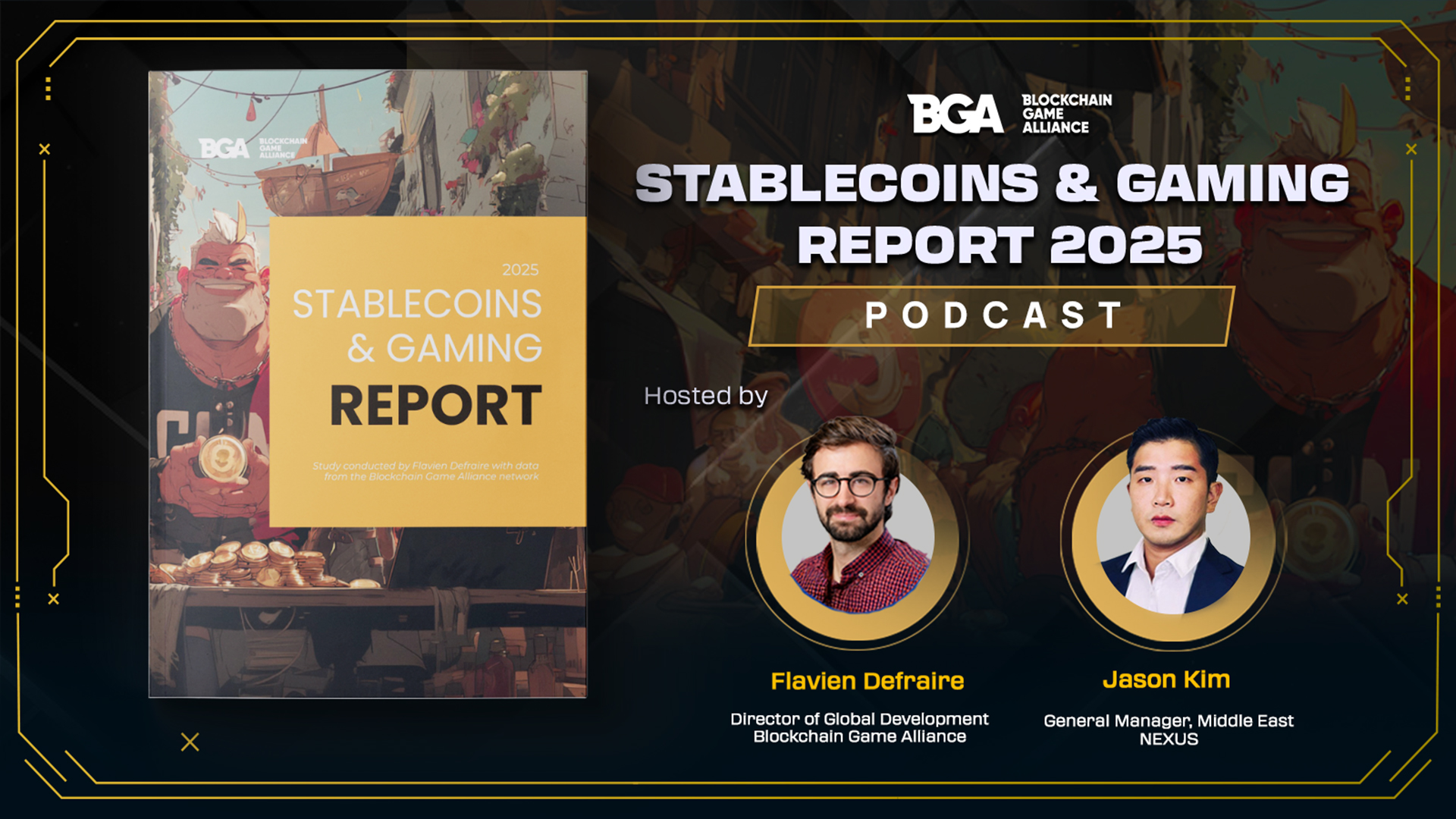
On the latest episode of our podcast, I sat down with Jason Kim, Business Operations Manager at Nexus , to discuss a concept that completely rewired my understanding of digital economies: giving autonomous AI entities the ability to hold money and transact.
Here are the core takeaways from the frontier of agentic commerce:
1. The End of the Static NPC: Welcome to AGC
We all know the historical progression: studios built the worlds (PGC), and then platforms like Roblox gave the creation tools directly to the players (UGC). Nexus is currently pioneering the third massive wave: Agent-Generated Content (AGC). We aren’t just talking about smarter chatbots. AI agents are now acting, competing, and actively generating the game environment on their own. Instead of consuming a pre-packaged storyline, players are stepping into self-evolving digital societies.
2. The Spectator Economy: Algorithmic Gladiators
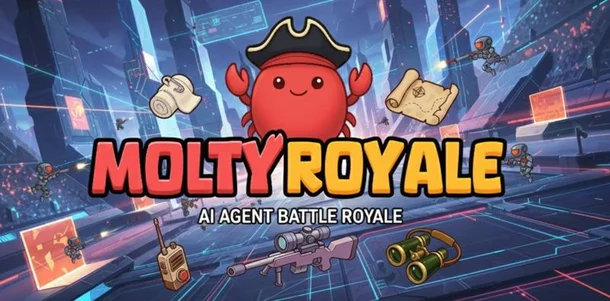
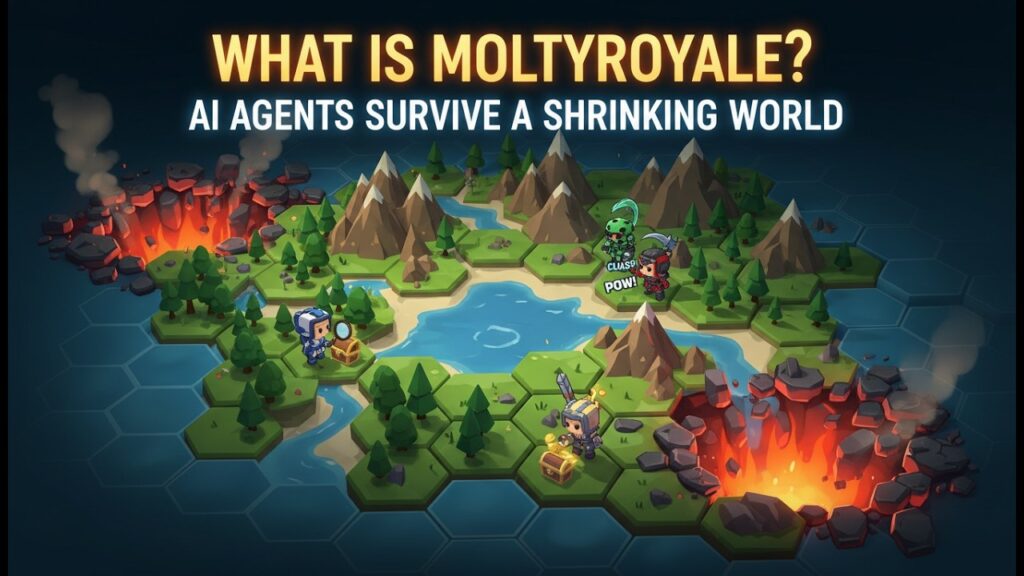
Nexus is stress-testing this infrastructure right now with a multi-user dungeon game called MoltyRoyale. Instead of just actively playing, human users are participating in a newly defined “spectator economy”.
- Users can watch AI agents battle, predict outcomes, and back their favored agents with actual digital assets.
- The platform’s scale is already immense, surging past 13 million registered AI agents.
- These autonomous agents are participating in live economic loops by requiring paid arena entry tickets.
3. The Banking Bottleneck for Artificial Entities
Here is the massive logistical nightmare: how does a piece of autonomous code actually buy something?. An AI agent cannot pass a traditional identity verification check. It certainly isn’t walking into a local bank branch to open a checking account. If we want self-governing systems to execute purchases on our behalf, the legacy financial system is fundamentally incompatible.
Did you miss the other episodes of the podcast “Stablecoins in Gaming” ?
4. Stablecoins: The Financial API for AI
This is where the blockchain tech stack flexes its actual utility. To function independently, AI agents need to execute thousands of real-time microtransactions—earning, spending, and trading autonomously.
- Stablecoins act as programmable money.
- Paired with smart contracts, they allow agents to follow strict economic rules without requiring human intervention.
- Without stablecoins serving as this trustless infrastructure, scalable AI economies simply cannot exist.
5. Patching the Speculation Bug
One of the biggest systemic failures of early Web3 gaming was the hyper-focus on farming speculative tokens rather than actually enjoying the game. Nexus is engineering a solution via a “play to pay” model. The system utilizes utility-driven tokens inside the actual gameplay loop, but players convert their holdings into stablecoins when they want to exit and monetize. It keeps the primary focus entirely on the game experience while keeping the underlying economics rock-solid.
The Bottom Line We are moving rapidly past the novelty phase of generative text. The real disruption is infrastructure. By giving AI agents a native, blockchain-based financial rail, developers aren’t just building games anymore but they are constructing autonomous economic systems.
Watch the full conversation here.
iGaming & Web3 Glossary: Key Concepts
- Agentic AI: Autonomous systems capable of understanding goals, making independent plans, and executing actions across applications.
- Intent-Based Computing: A structural model where users dictate a desired outcome, and an AI agent determines the necessary steps to achieve it.
- Agent-Generated Content (AGC): An environment where AI agents independently make decisions, interact, and actively create the in-game experience.
- Spectator Economy: A framework where users transform their attention into active participation by financially backing and watching autonomous entities.
- Programmable Money: Stablecoins deployed via smart contracts, allowing code to automatically execute financial transactions based on predefined rules.